
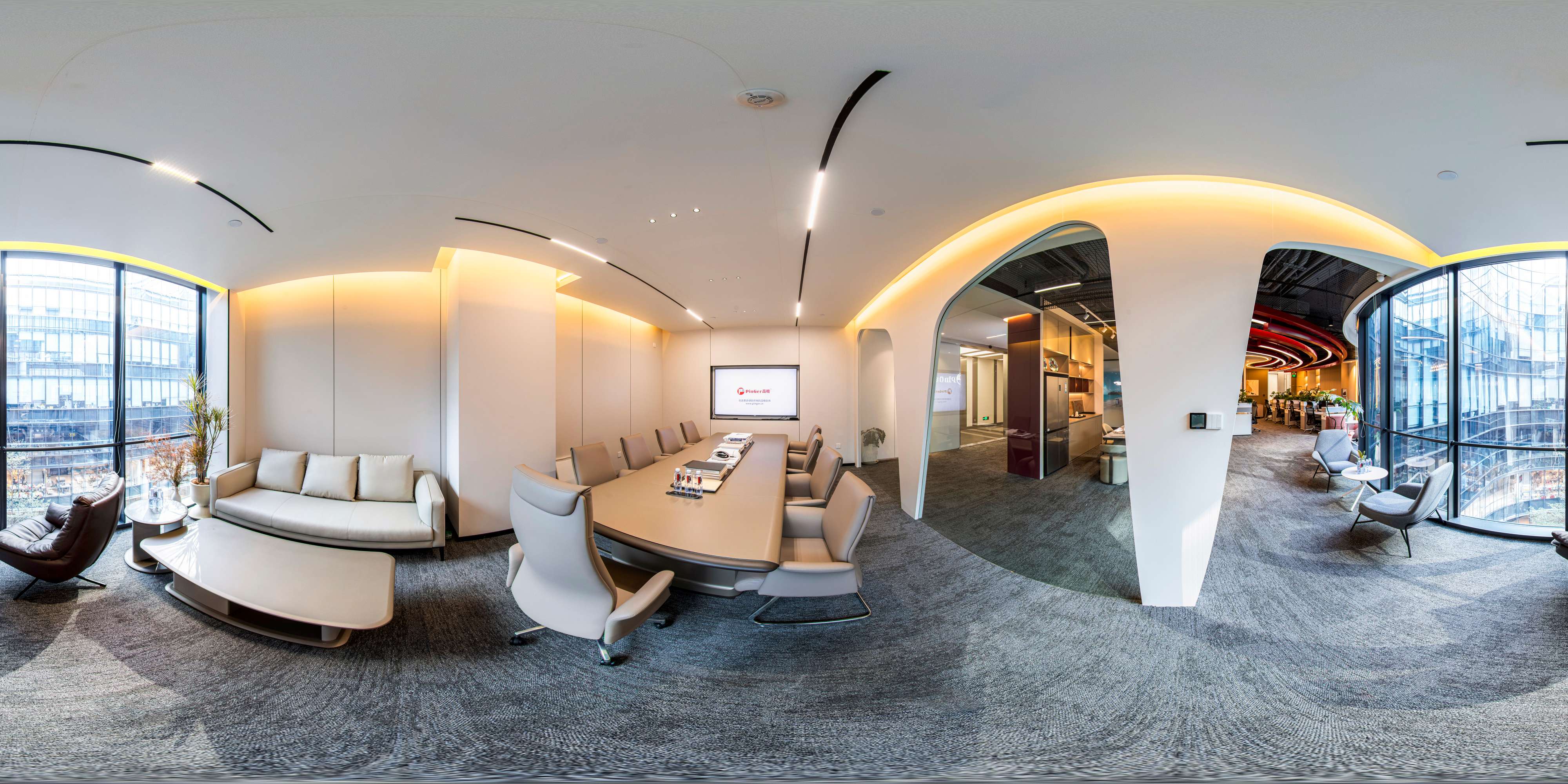
The short answer: an antibacterial rigid vinyl wall panel is cleaned like any smooth, non-porous healthcare surface — mild detergent and water for daily care, a compatible hospital-grade disinfectant for terminal cleaning, and no abrasive scouring. Because the silver-ion additive and colour are dispersed through the whole homogeneous sheet (not painted on), routine cleaning does not strip the antibacterial function, and the surface tolerates the disinfectants used in hospitals. The result is a wall that stays hygienic with far less labour — a key reason specifiers report maintenance frequency falling by roughly 40% over painted or porous alternatives. This guide sets out the cleaning protocol, disinfectant compatibility and the design details that make those panels easy to keep clean in 2026.
The cleaning behaviour of a panel follows its construction. A homogeneous, through-coloured rigid vinyl sheet carries its silver-ion (Ag+) antibacterial additive and its pigment through the full body of the material, so there is no thin decorative skin or an antibacterial coating to wear away. Scrubbing a surface-coating product eventually exposes a different layer underneath; a through-body panel keeps the same colour and the same antibacterial property even after years of cleaning and the occasional scuff. That is why the first specification question — "is it homogeneous?" — also answers a maintenance question: you are buying a wall that can be cleaned repeatedly without losing its function or its looks.
Keep the routine simple and staff will follow it.
Healthcare and laboratory walls meet a steady stream of chemistry — quaternary ammonium compounds, alcohols, hydrogen peroxide, chlorine/bleach solutions and iodophor preparations. The relevant evidence is a chemical-resistance test such as ASTM D543, which exposes the material to acids, alkalis, salts, alcohols and iodine and records any change in appearance, mass or dimensions, supported by EN 423 stain resistance for everyday contaminants. When you specify a panel, ask the supplier which disinfectants the sheet was tested against and at what concentration and contact time — and follow the disinfectant manufacturer's own dilution and dwell instructions on site. A through-body rigid vinyl panel tested to ASTM D543 will tolerate normal healthcare disinfectants without swelling, softening or staining, which is precisely why it replaces painted drywall and porous surfaces in wipe-down rooms.
Hygiene is a system, not just a sheet. Dirt and moisture collect at joints, corners and floor junctions, so a cleanable wall detail matters as much as a cleanable surface. Look for heat-welded seams with matching weld rod, which turn a row of panels into one continuous, wipeable surface with no grout lines to trap soil. At the floor, a formed cove base / radius junction removes the 90-degree corner where mop water and debris sit. Pair the panel sheet with a coordinated wall-protection system — corner guards, wall guards, crash rails and handrails — so the impact zones that generate the most damage and dirt are protected by replaceable accessories rather than by the wall itself. Sealed junctions and rounded corners are what turn "washable panels" into a hygienic wall assembly.
Even a tough panel will eventually show localised damage in a busy corridor. The advantage of a homogeneous rigid vinyl system is that a scuffed or dented area can be renewed locally — clean, prepare and replace the affected panel or section — without repainting or refurbishing an entire corridor. With a service life commonly in the 15–25 year range, that localized approach, combined with low-emission performance tested to ISO 16000 and CDPH 01350, keeps renovation disruption and cost to a minimum in live hospitals and public buildings.
Guangzhou PinGer Vinyl Material Co., Ltd.(广州市品格新材料股份有限公司)has manufactured the PinGer® Antibacterial Rigid Vinyl Wall Panel range in Guangzhou since 1999 and exports to more than 100 countries and regions. The panels are homogeneous, silver-ion antibacterial sheets (JIS Z 2801 R ≥ 2.0, ASTM G21 rating 0, tested inhibition rate 99.9%), fire rated to ASTM E84 Class A / EN 13501-1 B / UL94HB, chemical- and stain-tested to ASTM D543 and EN 423, impact-rated to ASTM D256, and low-emission per ISO 16000 and CDPH 01350 with no plasticisers and no CA65 heavy metals. Welded seams, matching trims and a full wall-protection system of corner guards, wall guards, crash rails and handrails let the wall read as one hygienic, cleanable surface. Sheets run from 1.22 m wide up to 3.0 m long in 10+ textures with full colour books, OEM colour matching and digital printing; production follows ISO 9001 / ISO 14001 / ISO 45001 systems with 0 wastewater and 0 exhaust, and the material is 100% recyclable with EPD/LCA documentation.


 IPv6 ةموعدم ةكبش
 English
 français
 Deutsch
 русский
 italiano
 español
 português
 العربية
 한국의
 Tiếng việt
 Indonesia
 中文